Summer Considerations
Hydration planning, sun protection strategies, and early-morning scheduling to avoid peak heat hours. Our guides include recommended walk durations for days exceeding 30 degrees Celsius.
Practical lifestyle guidance for Australians who want to include walking in their daily routine. All information is general educational content — not medical or dietary advice.
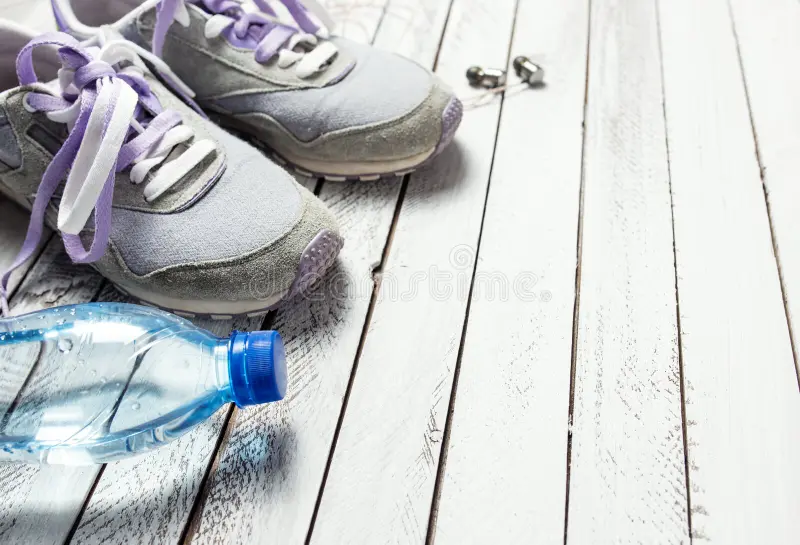
Morning walks can set a positive tone for the hours ahead. Our lifestyle guides explore how to prepare the night before, select appropriate attire for Australian weather conditions, and establish a departure time that aligns with your commute or work schedule.
Evening neighbourhood circuits can mark the end of a workday. We provide guidance on route lighting, session length, and pairing walks with quiet reflection — as lifestyle habits, not therapeutic practices.
Hydration planning, sun protection strategies, and early-morning scheduling to avoid peak heat hours. Our guides include recommended walk durations for days exceeding 30 degrees Celsius.
Layering techniques, wet-weather route alternatives, and indoor walking options for days when outdoor conditions are unfavourable. Visibility accessories for shorter daylight hours.
Adjusting pace and duration as temperatures moderate. Exploring new routes as foliage changes create scenic walking environments in parks and reserves.
Reintroducing longer walks after winter months. General tips for outdoor walks during spring, including awareness of seasonal environmental conditions in your local area.
Many Australians struggle to find time for walking amid professional commitments. Our lifestyle consulting addresses practical scheduling strategies rather than idealistic routines.
15-minute loops near your workplace that fit within standard break periods without requiring shower facilities.
Combining public transport with walking segments. Calculating distances between stations and identifying safe pedestrian pathways.
Conducting informal discussions during walking meetings in appropriate outdoor settings near your office location.
Our educational framework suggests allocating walking time across seven days using a flexible point system rather than rigid daily requirements.
Notice textures underfoot, ambient sounds, and changing light conditions. This practice enhances the walking experience without requiring meditation training.
Alternate between comfortable strolls and slightly brisker segments. Our guides explain how pace changes can add variety to routine routes.
Designated phone-free walking sessions that encourage present-moment engagement with your surroundings and internal thoughts.
General educational suggestions about carrying water and light snacks for longer walks. This is not dietary or medical advice. Consult a qualified nutrition professional or your GP for personal dietary guidance.
For walks longer than 30 minutes in warm weather, carrying water is a practical habit. Plan refill points along routes where public facilities are available.
Some walkers prefer a light snack before a longer session. Preferences vary widely — choose what suits your own routine and consult a professional for personal advice.
Scheduling rest days between longer walking sessions is a common planning approach. Adjust frequency based on your own comfort and professional advice if needed.
The lifestyle guides helped me rethink how I structure my evenings. Walking became something I look forward to rather than another task on my list.
Jack Taylor, Lifestyle Program Reader, Melbourne Individual experiences vary. This comment reflects personal scheduling preferences only and is not a promise of similar outcomes.
Our social walking guides suggest coordinating schedules, selecting routes suitable for mixed paces, and establishing meeting points accessible by public transport across Australian cities.
We provide educational resources for finding and evaluating local walking groups. Our community challenge programs also connect participants virtually for shared progress tracking.
Our family walking guides offer general suggestions for age-appropriate route lengths and engagement activities. Parental supervision and your own judgement of each child's capabilities are essential.
Lifestyle guides on this page describe daily habits and walking routines. They do not address medical conditions, mental health treatment, weight management, or clinical nutrition. Speak with appropriate registered professionals for advice in those areas.
Kneelbowax is located at George St, The Rocks NSW 2000. Contact hello@kneelbowax.world or +61 412 271 725 for written program details and pricing before purchase.